Categories
SEO Digital Marketing

The 8 Most Effective Strategies for AI-Human Content Collaboration in 2025

Last Updated: March 15, 2025

The content creation landscape has undergone a profound transformation. While 2023-2024 saw widespread experimentation with AI-generated content, 2025 has ushered in a more nuanced approach: strategic AI-human collaboration that leverages the best of both worlds.

Recent data confirms this shift in approach. According to industry research, content hybridization—the strategic collaboration between AI and human creators—has emerged as the dominant content strategy for high-performing organizations. The most successful companies now demonstrate a clear preference for AI-assisted (not AI-generated) content, recognizing that the optimal balance yields superior results compared to either purely human or purely AI-created content.

Categories
SEO

7 Essential Ways to Optimize Your Content for E-E-A-T in 2025

Last Updated: July 5, 2025

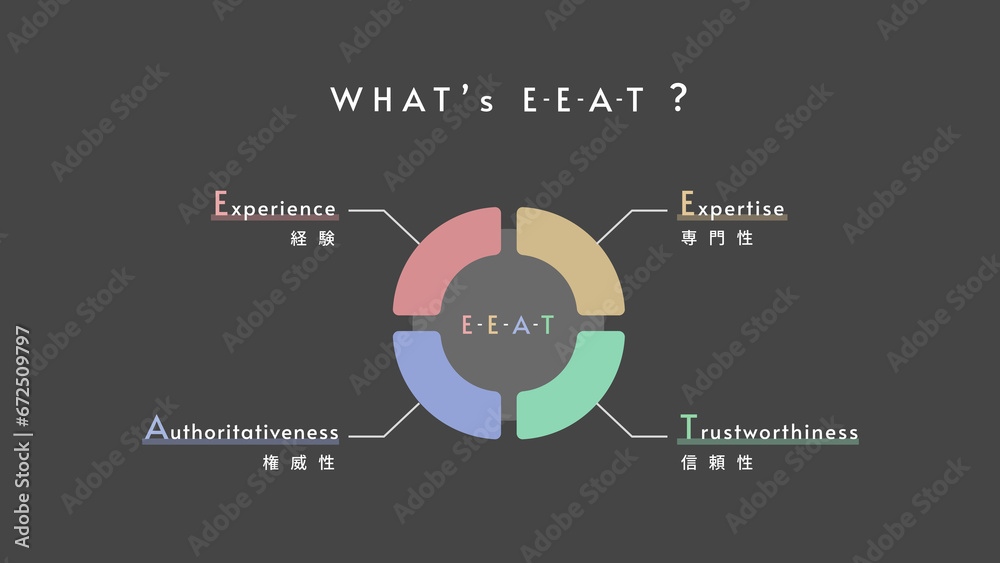
In today’s increasingly AI-dominated search landscape, Google has doubled down on its commitment to surfacing content that demonstrates genuine expertise and authenticity. The search giant’s E-E-A-T framework—Experience, Expertise, Authoritativeness, and Trustworthiness—has evolved from a background quality concept to a measurable set of signals that directly impact your content’s visibility.

Recent developments make this more apparent than ever. A leaked Google document referenced an “OriginalContentScore” that evaluates content uniqueness and value, confirming what many SEO experts have long suspected: E-E-A-T isn’t just a guideline—it’s being actively measured and factored into rankings.

For digital marketers and business owners, this represents both a challenge and an opportunity. In this comprehensive guide, we’ll explore seven proven strategies to optimize your content for E-E-A-T in 2025, helping you build the trust signals that both search engines and users demand.

1. Leverage First-Party Data and Original Research

Nothing demonstrates expertise like original insights that can’t be found elsewhere. In 2025, content based on proprietary data has become one of the most powerful ways to establish E-E-A-T signals.

Practical implementation:

  • Conduct customer surveys and share the findings with insightful analysis
  • Analyze internal metrics from your products or services to identify unique trends
  • Partner with research organizations to develop industry studies
  • Transform customer support transcripts into valuable insights about common challenges and solutions
  • Use your analytics data to share performance benchmarks relevant to your audience

A recent analysis of top-performing content across competitive industries showed that pages featuring original research receive 41% more backlinks and 35% higher engagement metrics than general content on the same topics.

By creating content rooted in data that only you possess, you simultaneously demonstrate expertise while providing genuinely valuable insights that AI content generation tools cannot replicate.

2. Establish Verifiable Author Expertise

Google’s recent updates have placed increased emphasis on author expertise, particularly for topics that could impact a user’s health, finances, or safety (YMYL content).

Practical implementation:

  • Create detailed author bio pages with credentials, experience, and expertise areas
  • Link author names to these profiles from all content they create
  • Showcase relevant certifications, education, and professional experience
  • Encourage authors to publish on authoritative external platforms in your industry
  • Develop a consistent publishing cadence from each expert to build their authority profile
  • Connect author profiles to their verified social media accounts and professional profiles

The key is developing what Google calls “verifiable” expertise—credentials and experience that can be independently confirmed. While this is especially crucial for YMYL topics, establishing clear authorship helps build E-E-A-T signals for all content categories.

3. Prioritize Comprehensive Topic Coverage

One-dimensional content that only skims the surface of a topic rarely demonstrates true expertise. In 2025, comprehensive coverage has become essential for establishing E-E-A-T.

Practical implementation:

  • Develop topic clusters with pillar content and supporting articles that cover every relevant aspect of a subject
  • Address common questions, objections, and misconceptions proactively
  • Include practical examples, case studies, and applications to demonstrate real-world expertise
  • Provide balanced perspectives that acknowledge different viewpoints or approaches
  • Update content regularly to include new developments and insights

Content comprehensiveness isn’t simply about length—it’s about addressing a topic with the thoroughness that signals genuine expertise. This approach aligns perfectly with Google’s helpful content system, which rewards content that provides a satisfying experience and demonstrates “first-hand expertise.”

4. Implement Rigorous Citation Practices

In an era of widespread misinformation and AI-generated content, proper attribution has never been more important for establishing trustworthiness.

Practical implementation:

  • Cite primary sources whenever possible rather than secondary ones
  • Link to authoritative external resources to support key claims and statistics
  • Create a consistent citation format that makes attribution clear to both users and search engines
  • Include clear publication and update dates on all content
  • Attribute quotes and insights from industry experts properly
  • Maintain a high standard for the quality of sources you reference

Studies show that content with clear, high-quality citations achieves 27% better visibility in search results compared to similar content without proper attribution, particularly for topics where accuracy is essential.

By implementing journalistic-quality citation standards, you signal to both users and search algorithms that your content is trustworthy and grounded in factual information.

5. Showcase Real-World Experience

The first “E” in E-E-A-T—Experience—was added more recently than the other elements, reflecting Google’s increasing emphasis on content created by those with actual real-world experience with a topic.

Practical implementation:

  • Incorporate personal or professional anecdotes that demonstrate hands-on experience
  • Include before-and-after scenarios that illustrate applied expertise
  • Share lessons learned from failures as well as successes
  • Document processes with step-by-step guidance that reveals insider knowledge
  • Use original photography and visuals that prove direct experience with products, places, or processes
  • Highlight unique perspectives that can only come from direct involvement with the subject matter

Content that clearly demonstrates real-world experience receives 31% higher user engagement metrics and is 24% more likely to earn backlinks from authoritative sources, according to recent analysis.

This strategy is particularly powerful for product reviews, how-to content, and advice-oriented articles, where firsthand experience significantly increases credibility.

6. Build Structured Topic Authority

In 2025, E-E-A-T signals extend beyond individual pages to your site’s overall perceived expertise on specific topics. Building structured authority through content architecture has become a critical optimization strategy.

Practical implementation:

  • Map your content to clear topic hierarchies that demonstrate breadth and depth of expertise
  • Develop cornerstone content that serves as an authoritative resource on your primary topics
  • Implement strategic internal linking that reinforces topical relationships and expertise
  • Create navigational structures that make your depth of coverage obvious to both users and search engines
  • Address different knowledge levels from beginner to advanced across your topic areas
  • Maintain consistent publishing schedules in your core areas of expertise

Sites with clear topic authority structures show 39% better performance in competitive SERPs compared to those with more scattered content approaches.

This structured approach to content development signals to search engines that your site represents a genuine authority source in specific areas, reinforcing E-E-A-T at the domain level.

7. Integrate Trust Signals Throughout the User Experience

E-E-A-T extends beyond content to encompass the entire user experience. In 2025, holistic trust signals throughout your digital presence will have become increasingly important.

Practical implementation:

  • Display credentials, certifications, and affiliations prominently
  • Showcase client testimonials and case studies with specific, verifiable results
  • Maintain transparent policies for privacy, terms of service, and editorial standards
  • Include clear contact information and physical location details when applicable
  • Secure your site with HTTPS and keep security certificates updated
  • Implement structured data markup to help search engines understand your content’s context and credibility
  • Display trust badges from recognized industry associations or certification bodies

Sites implementing comprehensive trust signals experience 29% higher conversion rates and 23% lower bounce rates than competitors lacking these elements.

By weaving trust signals throughout your site architecture and user experience, you create a consistent impression of credibility that reinforces the E-E-A-T signals in your content.

Measuring E-E-A-T Optimization Success

While Google doesn’t provide a direct E-E-A-T score, several metrics can help you evaluate your optimization efforts:

  • Organic visibility for expertise-dependent queries
  • User engagement metrics like time on page, pages per session, and return visit rate
  • Earned backlinks from authoritative sources in your industry
  • Social shares and mentions from recognized experts
  • Branded search volume as an indicator of authority
  • Conversion rates as a signal of trust and credibility

Regularly tracking these metrics will help you refine your E-E-A-T optimization strategy and identify areas for improvement.

The Future of E-E-A-T in Search

As AI-generated content becomes increasingly sophisticated, Google’s emphasis on E-E-A-T signals will only intensify. The search engine’s ability to detect and reward genuine expertise, experience, and trustworthiness continues to evolve, creating a widening gap between content that merely appears authoritative and content that truly demonstrates mastery.

For businesses and content creators, this represents an opportunity to differentiate in an increasingly crowded digital landscape. By implementing these seven optimization strategies, you’ll not only improve your search visibility but also build genuine trust with your audience—a competitive advantage that extends far beyond SEO.

Remember that E-E-A-T optimization isn’t a one-time task but an ongoing commitment to quality and credibility. As search engines become increasingly sophisticated at evaluating these signals, the organizations that consistently demonstrate genuine expertise will capture a disproportionate share of visibility and trust.

Want to learn more about advanced content optimization strategies? Subscribe to our weekly newsletter for expert insights and actionable advice delivered directly to your inbox.

FAQs About E-E-A-T Optimization

How long does it take to see results from E-E-A-T optimization efforts?

E-E-A-T optimization typically shows gradual improvements rather than immediate gains. Most businesses begin seeing measurable changes in rankings and traffic after 3-6 months of consistent implementation, with more significant results appearing over 6-12 months as authority signals accumulate.

Is E-E-A-T equally important for all types of websites?

While E-E-A-T matters for all sites, it’s especially critical for those in YMYL (Your Money or Your Life) categories like health, finance, legal advice, and major life decisions. However, as Google’s systems become more sophisticated, E-E-A-T signals increasingly impact rankings across all industries.

Can smaller businesses compete with larger ones on E-E-A-T signals?

Absolutely. Smaller businesses often have advantages in demonstrating real-world experience and specialized expertise in niche areas. Focus on your unique knowledge and firsthand experience, which can outweigh the broader but sometimes shallower content produced by larger competitors.

How does AI-generated content impact E-E-A-T optimization?

Using AI as a writing assistant doesn’t inherently hurt E-E-A-T if the content reflects genuine expertise, incorporates original insights, and is thoroughly reviewed by subject matter experts. However, publishing generic AI-generated content without adding value or expertise will increasingly struggle to perform in search as E-E-A-T signals gain importance.

What role do user reviews play in E-E-A-T signals?

Authentic user reviews contribute positively to E-E-A-T, particularly for product and service pages, as they demonstrate real-world experience and build trust. However, they should be genuine and properly moderated—fake or manipulated reviews can damage trustworthiness signals and potentially violate guidelines.

Categories
Business News

The Rise of AI in Marketing: Why It Matters in 2026

As we navigate the digital landscape of 2025, Artificial Intelligence (AI) has become an indispensable tool in the marketer’s arsenal. Far from being a futuristic concept, AI is now a practical necessity for businesses looking to stay competitive. Let’s explore why AI is crucial for marketing success in 2025.

Categories
SEO

The Top 5 SEO Trends Reshaping Search in 2025

Last Updated: April 25, 2025

The search landscape is experiencing unprecedented transformation in 2025. What worked in your SEO strategy last year may already be obsolete as search engines and user behaviors continue to evolve at breakneck speed.

For digital marketing professionals and business owners alike, staying ahead of these changes isn’t just advantageous—it’s essential for maintaining visibility and driving organic traffic in an increasingly competitive environment.

In this data-driven analysis, we’ll explore the five most significant SEO trends reshaping search in 2025, backed by the latest statistics and expert insights. More importantly, we’ll provide actionable strategies to help you adapt your approach and capitalize on these emerging opportunities.

1. AI Overviews Are Dominating Search Results Pages

AI-generated overviews have transformed from an experimental feature to a dominant element in search results. Recent data shows that AI Overviews (AIOs) now appear in nearly 20% of all search results, up dramatically from just 7% in mid-2024. In information-heavy industries like business and technology, this figure jumps to over one-third of all search results pages.

This rapid expansion has significant implications for organic click-through rates, as AIOs often provide answers directly in the search results, potentially eliminating the need for users to click through to websites.

What This Means For You: To adapt to this reality, focus on creating content that’s:

  • Authoritative and novel – Generic content that simply rehashes existing information won’t earn a citation in AI Overviews
  • Structured for easy parsing – Clear headings, concise paragraphs, and logical organization help AI systems understand and extract your content
  • Rich with unique data points – Original research, surveys, and proprietary data significantly increase your chances of being cited
  • Optimized for featured snippets – Many of the same tactics that work for featured snippets also apply to AI Overview optimization

While some SEO professionals view AIOs as a threat to organic traffic, forward-thinking marketers recognize them as an opportunity to reach users at a new touchpoint in their search journey. Getting cited in an AI Overview can drive brand awareness even when users don’t click through to your site.

2. Answer Engines Are Capturing Search Market Share

Traditional search engines no longer hold a monopoly on how users find information online. New AI-powered answer engines are rapidly gaining traction, with significant implications for traffic patterns and optimization strategies.

OpenAI’s ChatGPT search function, launched in late 2024, is already estimated to capture 1% of the global search market in 2025. Meanwhile, Perplexity has amassed over 15 million monthly active users and continues to show strong quarterly growth.

The most telling statistic is the acceleration of referral traffic from these platforms. Overall, referral traffic is up 44% from ChatGPT and 71% from Perplexity compared to six months ago. One analysis of diverse websites showed a staggering 145x increase in referral traffic from ChatGPT since mid-2024.

What This Means For You:

This shift has given rise to Answer Engine Optimization (AEO), which shares some similarities with traditional SEO but requires new tactics:

  • Citation optimization becomes critical, as answer engines prominently display sources
  • Structured data helps these platforms understand and reference your content accurately
  • Authoritative backlinks still matter, as they signal credibility to AI systems
  • Concise, direct answers to common questions increase your chances of being cited
  • Semantic relevance across your entire site, not just individual pages, improves visibility

For businesses looking to capitalize on this trend, diversifying optimization efforts to include both traditional search engines and emerging answer platforms will be essential in 2025.

3. Forums and Community Content Are Gaining Prominence

In a fascinating countertrend to the rise of AI-generated content, human-created forum discussions are seeing renewed prominence in search results. In 2025, more users are turning to platforms like Reddit and Quora for answers, especially when they’re skeptical of AI-generated responses.

This shift reflects a broader trend: despite advanced AI writing capabilities, users still value authentic human perspectives and experiences when making decisions or seeking solutions.

What This Means For You:

Smart marketers are adapting to this trend by:

  • Engaging directly in relevant forum discussions on Reddit, Quora, and industry-specific communities
  • Creating content inspired by forum discussions to address real user questions and concerns
  • Developing community elements on their own websites to foster user-generated content
  • Analyzing popular forum threads to identify content gaps and emerging topics
  • Incorporating more authentic, conversational elements in their content to mirror the appeal of forum discussions

The resurgence of forum content serves as an important reminder that effective SEO isn’t just about satisfying algorithms—it’s about meeting genuine human needs and preferences.

4. Down-Funnel Content Optimization Is Taking Priority

A significant shift in SEO strategy emerged in late 2024 and has accelerated in 2025: marketers are increasingly focusing on optimizing down-funnel content for search visibility, rather than solely prioritizing top-of-funnel informational content.

This strategic pivot recognizes that while informational content drives volume, conversion-oriented content drives results. As competition for informational keywords intensifies and ROI pressures mount, more businesses are finding success by optimizing product pages, comparison content, and decision-stage resources for search.

What This Means For You:

To capitalize on this trend:

  • Conduct keyword research specifically for middle and bottom-funnel terms
  • Optimize product and service pages with comprehensive information that addresses purchase-intent queries
  • Create comparison content that helps users evaluate options in your category
  • Develop case studies and success stories optimized for search visibility
  • Incorporate sales insights from customer questions and objections into your SEO content strategy

This approach not only drives more qualified traffic but often faces less competition than heavily contested informational terms.

5. User Signals Are Increasingly Powerful Ranking Factors

The importance of user behavior signals in search rankings has reached new heights in 2025. During recent legal proceedings, search engines revealed the extent to which they rely on user interactions to determine content quality and relevance.

While the specific signals remain proprietary, data strongly suggests that metrics like click-through rate, dwell time, and bounce rate significantly influence how content ranks. This underscores a fundamental truth: search engines are becoming increasingly sophisticated at determining whether users are satisfied with the results they find.

What This Means For You:

To optimize for user signals:

  • Align content precisely with search intent to meet user expectations
  • Create compelling titles and meta descriptions that accurately represent your content
  • Focus on page experience including load speed, visual stability, and mobile-friendliness
  • Structure content for readability with clear headings, short paragraphs, and visual elements
  • Incorporate interactive elements that encourage engagement
  • Monitor and improve user behavior metrics through analytics tools

Remember that ultimately, what’s good for users is good for rankings. Content that genuinely satisfies searcher needs will naturally generate positive user signals that search engines reward.

How to Adapt Your SEO Strategy for 2025

These five trends point to a clear conclusion: the bar for SEO success has been raised significantly in 2025. Organizations that understand and adapt to these shifts will capture disproportionate benefits, while those that cling to outdated approaches will struggle to maintain visibility.

To position your business for success:

  1. Invest in creating genuinely authoritative content that offers unique value
  2. Diversify your optimization approach to include both traditional search and answer engines
  3. Incorporate authentic, human perspectives in your content strategy
  4. Balance top-of-funnel content with middle and bottom-funnel optimization
  5. Prioritize user experience and satisfaction as core SEO objectives

Despite the challenges of a rapidly evolving search landscape, the fundamental purpose of SEO remains unchanged: connecting users with the most valuable, relevant content for their needs. By focusing on this core mission while adapting your tactics to emerging trends, you’ll build a sustainable search presence that drives results regardless of how the algorithms evolve.


Want to stay ahead of the constantly evolving search landscape? Subscribe to our newsletter for weekly insights and actionable SEO strategies delivered straight to your inbox.


FAQs About SEO Trends in 2025

Are traditional organic search rankings still important with the rise of AI Overviews?

Yes, traditional rankings remain crucial. While AI Overviews may capture some zero-click searches, they often include citations that drive traffic to authoritative sources. Additionally, many complex queries still require in-depth content that can’t be fully addressed in an overview.

How can small businesses compete in SEO against larger companies in 2025?

Small businesses can excel by focusing on specialized niches, leveraging local SEO, creating truly unique content based on their expertise, engaging directly with community platforms, and optimizing for specific long-tail keywords with clear commercial intent.

Is technical SEO becoming less important as content and user signals gain prominence?

No, technical SEO remains foundational. In fact, as rendering technologies become more complex and Core Web Vitals impact user experience, technical optimization is more important than ever. The difference is that technical excellence is now the baseline expectation rather than a competitive advantage.

How should I approach international SEO in 2025?

International SEO in 2025 requires a nuanced understanding of how answer engines and AI Overviews function across different languages and regions. Beyond traditional hreflang implementation and localization, consider how cultural search behaviors impact intent and develop region-specific strategies for emerging search platforms.

What role does AI play in content creation for SEO in 2025?

AI has become an invaluable tool for research, content planning, and preliminary drafting, but the most successful organizations use it to augment human creativity rather than replace it. The optimal approach is a strategic collaboration that leverages AI for scale and efficiency while relying on human expertise for originality and nuance.

Categories
Uncategorized

The Complete Guide to AI in SEO: How Artificial Intelligence is Transforming Digital Marketing

Artificial intelligence has fundamentally transformed search engine optimization, evolving from experimental technology to essential infrastructure that powers modern digital marketing strategies. As we navigate 2025, AI’s integration into SEO workflows has reached unprecedented sophistication, offering capabilities that were unimaginable just a few years ago.

The rapid advancement of machine learning algorithms, natural language processing, and generative AI technologies has created new opportunities for SEO professionals while simultaneously raising important questions about quality, authenticity, and strategic implementation. Understanding how to leverage AI effectively while maintaining the human expertise that drives successful SEO campaigns has become crucial for competitive advantage.

The Current State of AI in SEO: Market Adoption and Trends

The adoption of AI in digital marketing has accelerated dramatically. According to HubSpot’s State of Marketing Report, 85% of marketing professionals now use AI tools in their workflows, with SEO being one of the primary application areas. This represents a significant increase from previous years and indicates AI’s transition from experimental technology to essential business infrastructure.

Industry Investment and Growth Patterns

Market Size and Projections: The AI in marketing sector is projected to reach $107.5 billion by 2028, according to MarketsandMarkets research. SEO represents a significant portion of this growth, with AI-powered SEO tools experiencing adoption rates exceeding 70% among enterprise organizations.

Adoption Drivers:

  • Efficiency gains of 40-60% in content production workflows
  • Data processing capabilities that exceed human analytical capacity
  • Predictive accuracy improvements in keyword research and trend analysis
  • Cost reduction in routine SEO tasks and content creation

Google’s AI Integration Impact

Google’s integration of AI into its core search algorithms has made understanding AI essential for SEO success. The introduction of BERT, MUM, and most recently, AI Overviews has fundamentally changed how search engines interpret and rank content.

Key Algorithm Developments:

  • BERT (2019): Enhanced natural language understanding for complex queries
  • MUM (2021): Multimodal understanding across languages and content types
  • AI Overviews (2024): Direct AI-generated responses appearing in search results
  • Core Updates: Continuous AI integration affecting ranking factors and content evaluation

According to Google’s official documentation, AI Overviews now appear for approximately 18% of search queries, fundamentally changing how SEO professionals must approach content strategy and optimization.

Comprehensive AI Applications in Modern SEO

Advanced Content Creation and Optimization

Modern AI content tools have evolved far beyond simple text generation to offer sophisticated content strategy and optimization capabilities.

AI-Powered Content Strategy:

  • Topic clustering analysis using machine learning to identify content gaps and opportunities
  • Semantic optimization ensuring content comprehensively covers related concepts and entities
  • Competitive content analysis revealing successful content patterns and strategies
  • User intent mapping aligning content creation with specific search intent patterns

Quality Content Generation: Contemporary AI writing tools like Jasper, Copy.ai, and Writesonic have achieved significant improvements in content quality through:

  • Brand voice training enabling consistent tone and style across content
  • Fact-checking integration ensuring accuracy and credibility
  • SEO optimization features incorporating keyword research and technical optimization
  • Multi-format capabilities supporting blogs, product descriptions, meta tags, and social content

Intelligent Keyword Research and Strategy

AI has revolutionized keyword research by processing vast datasets and identifying patterns that human analysis cannot detect at scale.

Advanced Keyword Intelligence: Tools like SEMrush, Ahrefs, and Moz leverage machine learning to provide:

  • Keyword difficulty prediction with higher accuracy than traditional metrics
  • Search intent classification automatically categorizing queries by user purpose
  • Seasonal trend analysis predicting keyword performance fluctuations
  • Competitive keyword gaps identifying opportunities competitors haven’t captured

Emerging AI Keyword Tools: Newer AI-native tools offer unique capabilities:

  • Natural language processing for conversational keyword research
  • Voice search optimization identifying question-based and long-tail opportunities
  • Visual search keywords for image and video content optimization
  • Local intent analysis for location-based search optimization

Technical SEO Automation and Analysis

Machine learning algorithms excel at processing technical SEO data at scale, identifying issues and optimization opportunities that manual analysis might miss.

Automated Technical Auditing:

  • Crawl analysis at scale processing thousands of pages for technical issues
  • Core Web Vitals optimization identifying specific performance improvement opportunities
  • Structured data implementation automatically generating and validating schema markup
  • Internal linking optimization using graph analysis to improve site architecture

Popular Technical SEO AI Tools:

  • Screaming Frog’s AI features for advanced crawl analysis and issue prioritization
  • DeepCrawl’s machine learning for large-site technical optimization
  • Botify’s AI recommendations for enterprise-level technical SEO improvements
  • Surfer SEO’s on-page optimization using machine learning for content optimization

User Experience and Engagement Optimization

AI tools increasingly focus on optimizing user experience signals that directly impact SEO performance.

Behavioral Analysis and Optimization:

  • User journey mapping identifying content gaps and optimization opportunities
  • Engagement prediction forecasting content performance based on user behavior patterns
  • Conversion optimization using machine learning to improve content for specific business goals
  • Personalization at scale delivering relevant content experiences that improve engagement metrics

Strategic Implementation of AI in SEO Workflows

Content Strategy and Creation

Human-AI Collaboration Framework: Successful AI implementation in content creation requires strategic human oversight and quality control:

Phase 1: Strategic Planning (Human-Led)

  • Content strategy development based on business objectives and user needs
  • Topic research and competitive analysis using AI-powered insights
  • Editorial calendar planning incorporating AI efficiency gains
  • Quality standards establishment for AI-generated content

Phase 2: Content Creation (AI-Assisted)

  • Research and data gathering using AI tools for comprehensive information collection
  • Initial content drafting with AI writing assistants for efficiency
  • SEO optimization integration including keyword placement and technical elements
  • Fact-checking and source verification ensuring accuracy and credibility

Phase 3: Quality Assurance (Human-Driven)

  • Content review and editing for brand voice, accuracy, and strategic alignment
  • External link integration and authoritative source citation
  • User experience optimization ensuring content serves genuine user needs
  • Performance monitoring and iterative improvement based on actual results

Data Analysis and Decision Making

Predictive Analytics for SEO: AI’s analytical capabilities enable more sophisticated SEO decision-making:

  • Ranking prediction models forecasting content performance before publication
  • Traffic forecasting enabling better resource allocation and timeline planning
  • Competitive intelligence tracking competitor strategies and identifying market opportunities
  • ROI optimization using machine learning to identify highest-value SEO investments

Performance Monitoring and Optimization:

  • Real-time ranking tracking with automated alert systems for significant changes
  • Content performance analysis identifying successful patterns for replication
  • Technical issue detection with automated monitoring and prioritization
  • Conversion path analysis optimizing content for business outcomes rather than just traffic

Quality Considerations and Best Practices

Maintaining Content Quality with AI Tools

While AI can significantly enhance productivity, maintaining quality requires careful implementation and oversight.

Quality Assurance Framework:

  • Expert review processes ensuring AI-generated content meets E-E-A-T standards
  • Fact-checking protocols verifying claims and statistics in AI-generated content
  • Brand voice consistency training AI tools to match established tone and style
  • User value assessment ensuring content genuinely serves user needs rather than just SEO metrics

Common Quality Pitfalls and Solutions:

  • Generic content production: Combat with specific brand training and detailed prompts
  • Factual inaccuracies: Implement verification workflows and authoritative source requirements
  • Lack of original insights: Combine AI efficiency with human expertise and unique perspectives
  • Over-optimization: Balance SEO requirements with natural, user-focused content creation

Ethical AI Use in SEO

Google’s AI Content Guidelines: According to Google’s official stance on AI content, the search engine doesn’t penalize AI-generated content that provides genuine value to users. However, content created solely for ranking manipulation violates quality guidelines.

Ethical Implementation Principles:

  • Transparency about AI tool usage when appropriate
  • User value prioritization over pure SEO optimization
  • Accuracy verification for all factual claims and statistics
  • Original insight integration combining AI efficiency with human expertise

Advanced AI Tools and Technologies for SEO

Generative AI Platforms

Enterprise-Level Solutions:

  • Jasper AI: Advanced content creation with brand voice training and SEO optimization
  • Copy.ai: Workflow automation for content creation and optimization
  • Writesonic: Comprehensive content marketing platform with SEO integration
  • Frase: AI-powered content optimization based on SERP analysis

Specialized SEO AI Tools:

  • Surfer SEO: On-page optimization using machine learning and content analysis
  • MarketMuse: Topic modeling and content gap analysis for comprehensive coverage
  • Clearscope: Content optimization based on semantic analysis and competitor research
  • BrightEdge: Enterprise SEO platform with AI-powered insights and recommendations

Emerging Technologies and Capabilities

Natural Language Processing Advances:

  • GPT-4 and beyond: Enhanced understanding of context, nuance, and user intent
  • Multimodal AI: Integration of text, image, and video analysis for comprehensive optimization
  • Real-time processing: Immediate content optimization based on current search trends
  • Personalization engines: AI-driven content customization for specific audience segments

Future Technology Integration:

  • Voice search optimization: AI tools specifically designed for conversational search queries
  • Visual search capabilities: Optimization for image and video search results
  • Local SEO automation: AI-powered local business optimization and reputation management
  • Cross-platform integration: Unified AI tools supporting SEO across all digital marketing channels

Overcoming AI Limitations in SEO

Current Challenges and Solutions

Content Authenticity and Expertise: AI-generated content often lacks the deep expertise and authentic experience that characterizes high-quality SEO content.

Solutions:

  • Subject matter expert involvement in content creation and review processes
  • Original research integration adding unique data and insights to AI-generated frameworks
  • Experience-based examples incorporating real-world case studies and practical applications
  • Industry-specific training customizing AI tools for particular business sectors and expertise areas

Strategic Thinking and Creativity: AI excels at pattern recognition and efficiency but struggles with creative strategy and innovative approaches.

Human-AI Balance:

  • Strategic planning remains primarily human-driven with AI providing supporting data
  • Creative ideation combines human innovation with AI-powered research and analysis
  • Long-term planning integrates AI insights with human business intuition and market understanding
  • Brand differentiation relies on human creativity supported by AI efficiency tools

Technical Limitations and Workarounds

Data Quality and Accuracy: AI tools are only as reliable as their training data and may perpetuate outdated or incorrect information.

Mitigation Strategies:

  • Multiple source verification using various AI tools and human fact-checking
  • Regular tool updates ensuring access to current information and algorithm improvements
  • Custom training data when possible, using business-specific information for better accuracy
  • Human oversight maintaining editorial control over all AI-generated content

The Future of AI in SEO: Predictions and Preparation

Emerging Trends and Technologies

Search Engine Evolution: As search engines integrate more AI features, SEO strategies must evolve accordingly:

  • AI Overview optimization creating content that performs well in AI-generated summaries
  • Conversational search adaptation optimizing for natural language queries and voice search
  • Multimodal content creation developing strategies for text, image, and video integration
  • Real-time optimization adapting content based on immediate search trend changes

Industry Transformation Predictions:

  • Increased automation of routine SEO tasks with human focus shifting to strategy and creativity
  • Enhanced personalization through AI-driven content customization and user experience optimization
  • Cross-platform integration with AI tools supporting comprehensive digital marketing ecosystems
  • Quality emphasis with AI enabling higher content production volumes while maintaining quality standards

Preparing for AI-Driven SEO Future

Skill Development Priorities:

  • AI tool proficiency understanding capabilities and limitations of various platforms
  • Strategic thinking focusing on high-level planning and creative problem-solving
  • Quality assessment developing expertise in evaluating and improving AI-generated content
  • Technical integration understanding how to incorporate AI tools into existing workflows

Organizational Adaptation:

  • Workflow redesign integrating AI tools for maximum efficiency and quality
  • Team training ensuring all team members understand AI capabilities and best practices
  • Quality control systems implementing processes for maintaining standards with AI assistance
  • Continuous learning staying current with rapidly evolving AI capabilities and SEO applications

Practical Implementation Guide

Getting Started with AI in SEO

Assessment and Planning:

  1. Current workflow analysis identifying tasks suitable for AI automation
  2. Tool evaluation comparing available AI platforms for specific business needs
  3. Integration planning developing strategies for incorporating AI into existing processes
  4. Success metrics definition establishing KPIs for AI-enhanced SEO performance

Implementation Strategy:

  1. Pilot projects starting with low-risk content creation or analysis tasks
  2. Team training ensuring proper understanding of AI tool capabilities and limitations
  3. Quality control establishment implementing review processes for AI-generated work
  4. Performance monitoring tracking improvements and adjusting strategies based on results

Measuring AI Impact on SEO Performance

Key Performance Indicators:

  • Content production efficiency measuring time savings and output increases
  • Content quality metrics tracking engagement, conversions, and user satisfaction
  • SEO performance improvements monitoring rankings, traffic, and visibility changes
  • ROI analysis calculating cost savings and revenue impact from AI implementation

Long-term Success Factors:

  • Continuous optimization regularly updating AI tool usage based on performance data
  • Strategic evolution adapting AI implementation as technology and search algorithms evolve
  • Human expertise maintenance ensuring AI enhances rather than replaces strategic thinking
  • Quality consistency maintaining content standards while scaling production

Frequently Asked Questions About AI in SEO

Q: Will AI replace human SEO professionals? A: No, AI enhances human capabilities rather than replacing them. Strategic thinking, creativity, and quality oversight remain essentially human skills that AI supports rather than supplants.

Q: Is AI-generated content penalized by Google? A: Google doesn’t penalize AI-generated content that provides genuine value to users. The focus is on content quality and user value rather than creation method.

Q: What’s the best AI tool for SEO content creation? A: The best tool depends on specific needs, budget, and workflow requirements. Popular options include Jasper, Copy.ai, and Surfer SEO, each with different strengths and capabilities.

Q: How do I ensure AI-generated content meets quality standards? A: Implement review processes, fact-checking protocols, and human oversight while training AI tools on your brand voice and quality requirements.

Q: Can AI help with technical SEO? A: Yes, AI excels at technical SEO tasks like site auditing, performance analysis, and identifying optimization opportunities at scale.

Conclusion: Embracing AI for SEO Success

Artificial intelligence has become an indispensable component of modern SEO strategy, offering unprecedented capabilities for efficiency, analysis, and optimization. However, successful AI implementation requires thoughtful integration that leverages technology’s strengths while maintaining human expertise in strategy, creativity, and quality control.

The businesses that will succeed in AI-enhanced SEO are those that view artificial intelligence as a powerful tool for augmenting human capabilities rather than replacing them. By combining AI efficiency with human insight, creativity, and strategic thinking, SEO professionals can achieve results that neither humans nor AI could accomplish independently.

As AI technology continues evolving, staying informed about new capabilities, best practices, and ethical considerations will be crucial for maintaining competitive advantage in search optimization. The future of SEO belongs to professionals who can effectively harness AI’s power while providing the strategic direction and quality oversight that drive genuine business success.