

Categories
SEO

What is SEO?

What is SEO? Your Complete Guide to Search Engine Optimization in 2025

SEO stands for “search engine optimization.” It’s the practice of optimizing a website to improve its visibility in search engine results pages (SERPs). The higher a website ranks in the search results, the more likely users are to discover and visit it.

But here’s what’s changed in 2025: SEO isn’t just about optimizing for traditional blue links anymore. With Google’s AI Overviews now appearing in nearly 50% of search results, search engine optimization has evolved into something much broader—what many experts now call “search everywhere optimization.”

Why SEO Matters More Than Ever in 2025

SEO remains crucial because it helps websites become more easily discovered by users searching for specific products, services, or information online. When a website is properly optimized, it’s more likely to appear prominently for relevant queries, driving targeted traffic that often converts better than other marketing channels.

The benefits of effective SEO in 2025 include:

Increased Visibility: SEO continues to drive more than half of all website traffic, making it essential for online success.

Better User Experience: Modern SEO focuses heavily on user experience signals, making your website more enjoyable and functional for visitors.

AI-Powered Discovery: Optimized content has a better chance of being featured in AI Overviews and other enhanced search features.

Long-term Growth: Unlike paid advertising, SEO builds compound returns over time, with established sites seeing sustained organic growth.

Cost-Effective Marketing: SEO drives 1000% more traffic than organic social media and provides lasting value.

The search landscape has fundamentally changed. Google still owns 90.15% of the search market, but users are now discovering content across multiple platforms including TikTok, Reddit, and AI-powered search engines. This means effective SEO in 2025 requires a broader approach than ever before.

Keyword Research: The Foundation of Modern SEO

Keyword research remains fundamental to SEO success, but the approach has evolved significantly. Instead of focusing solely on exact-match keywords, 2025 SEO emphasizes user intent and conversational queries.

Modern keyword research involves:

Understanding Search Intent: Rather than targeting generic keywords, focus on the specific problems your audience wants to solve. Tools like SEMrush’s Keyword Magic Tool help identify user intent behind searches.

Long-tail Keyword Opportunities: Only 5.4% of Google AI Overviews contain exact query matches, showing that natural language and context matter more than precise keyword matching.

Multi-Platform Research: Consider how your audience searches on different platforms. What works on Google might differ from what resonates on Reddit or TikTok.

Competitor Analysis: Use tools like Ahrefs to understand which keywords drive traffic to your competitors and identify content gaps you can fill.

The goal isn’t just to rank for keywords; it’s to create content that truly serves user needs across the entire customer journey.

On-Page SEO: Optimizing for Users and AI

On-page SEO has expanded beyond traditional optimization techniques. While elements like title tags, header structure, and internal linking remain important, 2025 on-page SEO prioritizes user experience and AI compatibility.

Essential On-Page Elements

Title Tags and Meta Descriptions: These remain crucial for both search engines and AI systems. Write compelling, descriptive titles that accurately reflect your content’s value.

Header Structure: Use clear, hierarchical headings (H1, H2, H3) that help both users and AI understand your content organization.

Content Quality: Focus on creating comprehensive, authoritative content that demonstrates expertise and provides unique value. Google’s helpful content system now aggressively demotes content created primarily for search engines rather than users.

Internal Linking: Strategic internal linking helps search engines understand your site structure and distributes authority to important pages.

Page Experience: Core Web Vitals, mobile responsiveness, and overall user experience have become critical ranking factors.

AI-Friendly Content Optimization

With AI Overviews dominating search results, your content needs to work well for both human readers and AI systems:

  • Structure information clearly with bullet points and numbered lists
  • Provide direct answers to common questions
  • Use natural language rather than keyword-stuffed text
  • Include relevant context and supporting details
  • Cite authoritative sources when making claims

Off-Page SEO: Building Authority in 2025

Off-page SEO encompasses all activities outside your website that influence your search rankings. The core principles remain consistent, but the tactics have evolved to address modern search behaviors and AI-powered discovery.

Link Building Evolution

Quality Over Quantity: High-quality backlinks from relevant, authoritative sites remain one of the strongest ranking signals. Focus on earning links from sites in your industry or related fields.

Diverse Link Sources: Build links from various sources including industry publications, partner sites, guest posting opportunities, and earned media coverage.

Brand Mentions: With AI systems, brand mentions without links can be as valuable as traditional backlinks, especially for establishing authority and trust signals.

Social Media and Community Engagement

Social signals have gained importance as search engines consider multiple discovery channels:

  • Reddit and Forum Optimization: Community search results are here to stay, with Reddit becoming the third most visible website in search results.
  • Platform-Specific Content: Create content tailored for different platforms while maintaining brand consistency.
  • Community Building: Engage authentically in communities where your customers spend time.

Technical SEO: The Foundation of Search Success

Technical SEO has become more complex as search engines consider user experience signals, mobile performance, and AI compatibility. Think of technical SEO as the foundation that enables all your other SEO efforts to succeed.

Core Technical Elements

Site Speed and Performance: Page speed is a direct ranking factor, especially for mobile users. Use tools like Google PageSpeed Insights to identify and fix performance issues.

Mobile Optimization: With mobile accounting for more than 50% of web traffic, mobile-first design isn’t optional.

Crawlability and Indexing: Ensure search engines can easily discover and understand your content. This includes:

  • Clean URL structures
  • Proper robots.txt configuration
  • XML sitemaps
  • Canonical tags to prevent duplicate content issues

Structured Data: Schema markup has evolved from optional to essential for helping search engines understand your content and enabling rich snippets.

2025 Technical Priorities

Core Web Vitals: Google’s user experience metrics continue to influence rankings, particularly for mobile searches.

JavaScript Rendering: As more sites rely on JavaScript frameworks, ensuring proper rendering for search engines has become critical.

Security: HTTPS is table stakes, but comprehensive security measures build trust with both users and search engines.

Accessibility: Search engines increasingly value accessible design, and inclusive websites often provide better user experiences overall.

Measuring SEO Success in the AI Era

Tracking SEO performance has become more nuanced as user behavior evolves and new search features emerge. Traditional metrics remain important, but you need additional insights to understand your true SEO impact.

Traditional Metrics That Still Matter

Organic Traffic Growth: Monitor overall organic traffic trends using Google Analytics 4, but look beyond vanity metrics to understand user quality.

Keyword Rankings: While less predictive than before, tracking rankings for important terms helps gauge visibility trends.

Conversion Tracking: Ultimately, SEO success is measured by business outcomes—sales, leads, sign-ups, or other valuable actions.

Backlink Profile: Monitor the quantity and quality of links pointing to your site using tools like Ahrefs or Moz.

New Metrics for 2025

AI Overview Appearances: Track whether your content appears in AI-powered search features. Tools like SEMrush now provide AI Overview tracking capabilities.

User Engagement Signals: With Google’s algorithms considering user behavior, metrics like dwell time, bounce rate, and pages per session have gained importance.

Brand Search Volume: Monitor searches for your brand name and related terms, as brand authority increasingly influences overall search performance.

Cross-Platform Visibility: Track your content’s performance across different search and discovery platforms, not just Google.

SEO Timeline: What to Expect in 2025

SEO timelines haven’t fundamentally changed, but the competitive landscape has intensified. Most businesses should expect:

Initial Results: 3-6 months for technical improvements and low-competition keyword wins

Meaningful Growth: 6-12 months for established sites with focused strategies

Significant Impact: 12+ months for comprehensive authority building and market leadership

The key difference in 2025 is that algorithm changes happen more frequently, requiring ongoing adaptation rather than set-and-forget approaches.

Local SEO: Connecting with Nearby Customers

Local SEO remains highly relevant for businesses serving specific geographic areas. The fundamentals haven’t changed dramatically, but execution has become more sophisticated.

Local SEO Essentials

Google Business Profile Optimization: Ensure your business information is complete, accurate, and regularly updated. Include high-quality photos, videos, and respond to all reviews.

NAP Consistency: Your business name, address, and phone number should be identical across all online platforms and directories.

Local Content Creation: Develop content that addresses local interests, events, and concerns relevant to your community.

Local Link Building: Earn links from local organizations, chambers of commerce, local news outlets, and community websites.

Review Management: 98% of people read online reviews for local businesses, making reputation management crucial for local success.

2025 Local SEO Trends

AI-Powered Local Search: AI systems are becoming better at understanding local intent and providing hyper-local recommendations.

Visual Search Integration: Platforms like Google Lens are changing how users discover local businesses through visual queries.

Voice Search Optimization: Local businesses need to optimize for voice queries, which often have local intent.

The Future of SEO: Adapting to Continuous Change

SEO in 2025 is less about gaming algorithms and more about genuinely serving user needs across multiple platforms and search experiences. The most successful SEO strategies focus on:

User-First Thinking: Create content that fulfills people’s needs, and technical optimization will follow naturally.

Multi-Platform Optimization: Success requires visibility across Google, social platforms, AI tools, and industry-specific search engines.

Continuous Learning: The pace of change in search technology requires ongoing education and adaptation.

Brand Building: Strong brands with established authority and trust signals perform better across all search channels.

Quality Focus: With AI systems becoming better at identifying valuable content, quality consistently beats quantity.

Ready to Master SEO in 2025?

SEO has evolved from a technical discipline focused on keyword rankings to a comprehensive approach that encompasses user experience, content quality, technical performance, and multi-platform visibility. While the fundamentals of creating valuable content and optimizing for discovery remain constant, the tactics and channels have expanded significantly.

Success in 2025 SEO requires understanding that search extends far beyond Google’s traditional results. AI-powered features, social discovery, and community platforms all play roles in how users find and consume content. The businesses that thrive will be those that embrace this complexity while maintaining focus on serving their audience’s genuine needs.

Whether you’re just starting with SEO or adapting an existing strategy, remember that sustainable success comes from building authority, trust, and user satisfaction over time. The tactics may evolve, but the core principle remains unchanged: create something genuinely valuable, make it easy to find, and help users accomplish their goals.

The search landscape will continue evolving throughout 2025 and beyond. Stay curious, keep testing, and always prioritize your users’ experience. That’s the foundation for SEO success in any era.

Categories
SEO

How Long Does SEO Take to Work in 2025? The Complete Timeline Guide

The question “How long does SEO take to work?” remains one of the most searched queries by business owners and marketers. While the traditional 4-6 month timeframe still appears across search results, the SEO landscape in 2025 has evolved dramatically, requiring a more nuanced understanding of timeline expectations.

As search algorithms become increasingly sophisticated and AI-powered features reshape user behavior, SEO professionals must navigate a complex environment where traditional ranking metrics tell only part of the success story. Understanding these modern timelines isn’t just about managing expectations; it’s about building strategies that align with Google’s current priorities and future direction.

The 2025 SEO Landscape: Fundamental Changes

Before examining specific timelines, it’s crucial to understand how dramatically SEO has evolved. The search results your content competes for today include multiple AI-powered features that didn’t exist just two years ago.

AI Overviews and Search Evolution

According to Google’s official documentation, AI Overviews now appear for approximately 18.76% of search queries as of late 2024, with this percentage continuing to grow. This means your content isn’t just competing with other websites; it’s competing for inclusion in AI-generated summaries that may or may not drive clicks to your site.

The implications for SEO strategy are profound:

  • Zero-click searches are increasing as users find answers directly in search results
  • Content structure must accommodate both human readers and AI interpretation
  • Citation value from AI Overviews can provide authority signals even without direct clicks
  • Comprehensive coverage becomes more important than keyword density

Algorithm Update Frequency and Impact

Google’s algorithm updates have become more frequent and impactful. The March 2024 core update was Google’s most significant ever, followed by multiple spam updates throughout the year. According to Search Engine Land’s analysis, Google made over 4,700 algorithm changes in 2022 alone, with the pace accelerating as AI integration deepens.

E-E-A-T Integration Across All Content

Google’s E-E-A-T (Experience, Expertise, Authoritativeness, Trustworthiness) guidelines have evolved beyond their original YMYL (Your Money or Your Life) scope. According to Google’s Quality Rater Guidelines, these principles now influence rankings across virtually all content categories.

Updated SEO Timeline Expectations for 2025

Based on current algorithm behavior and industry data, here are realistic SEO timeline expectations:

Quick Technical Wins: 1-3 Months

  • Core Web Vitals improvements showing in search performance
  • Low-competition keyword gains for well-optimized content
  • Technical issue resolutions improving crawling and indexing
  • Local SEO improvements for geographically targeted businesses

Meaningful Organic Growth: 4-8 Months

  • Established sites with focused strategies seeing traffic increases
  • Topic authority development in specific content areas
  • Featured snippet acquisitions for well-structured content
  • AI Overview inclusions for authoritative, comprehensive content

Significant Business Impact: 6-12 Months

  • Comprehensive SEO campaigns delivering measurable ROI
  • Competitive keyword rankings in moderately competitive markets
  • Brand authority establishment in target industry sectors
  • Sustainable organic traffic growth supporting business objectives

Market Leadership: 12+ Months

  • Industry dominance in organic search visibility
  • Thought leadership recognition through consistent, expert content
  • Compound growth effects from established domain authority
  • Reduced dependence on paid advertising channels

Factors Influencing SEO Timeline Success in 2025

Content Quality and E-E-A-T Compliance

Google’s helpful content system, now integrated into core ranking algorithms, aggressively demotes content created primarily for search engines rather than users. Content that demonstrates genuine expertise and provides substantial value to users consistently outperforms keyword-optimized but shallow content.

Key quality indicators include:

  • Original research and insights that demonstrate subject matter expertise
  • Comprehensive topic coverage that addresses user questions thoroughly
  • Regular content updates maintaining accuracy and relevance
  • Clear author credentials and expertise demonstration

Technical Foundation Requirements

Core Web Vitals and user experience signals have evolved from ranking factors to ranking requirements. Sites that fail to meet technical standards face significant ranking penalties regardless of content quality.

Critical technical elements:

  • Page speed optimization across all devices and connection types
  • Mobile-first indexing compliance ensuring mobile experience parity
  • Structured data implementation for enhanced search result features
  • Security and accessibility standards meeting modern web requirements

Competitive Landscape Analysis

Market saturation varies dramatically across industries, with some sectors showing increased competition while others present emerging opportunities. According to Ahrefs’ industry analysis, established domains now significantly outperform new sites across most competitive categories.

Competition assessment factors:

  • Domain age and authority of existing competitors
  • Content depth and quality standards in your industry
  • Technical sophistication of competing websites
  • Brand recognition and offline authority of competitors

Month-by-Month SEO Strategy for 2025

Month 1: Foundation and Market Intelligence

Technical Audit and Baseline Establishment:

  • Comprehensive technical SEO audit using tools like Google Search Console and Screaming Frog
  • Core Web Vitals assessment and optimization prioritization
  • Mobile-first indexing compliance verification
  • Security and accessibility baseline establishment

Competitive and Keyword Research:

  • AI Overview appearance analysis for target queries
  • Competitor content gap identification and opportunity mapping
  • Search intent analysis for primary and secondary keywords
  • User behavior pattern assessment through analytics review

Month 2: Technical Implementation and Content Planning

Technical SEO Implementation:

  • Core Web Vitals optimization based on audit findings
  • Structured data implementation for enhanced search features
  • Internal linking optimization for topic authority building
  • Crawling and indexing issue resolution

Content Strategy Development:

  • Topic cluster planning based on E-E-A-T principles
  • Content calendar creation with expertise demonstration focus
  • AI-friendly content structure development
  • Original research and data collection planning

Month 3: Content Production and Authority Building

High-Quality Content Creation:

  • Comprehensive, expertise-demonstrating content publication
  • Original research and industry insights development
  • User-focused content addressing genuine search intent
  • Multimedia content creation for enhanced user engagement

Initial Link Building:

  • Industry relationship development and partnership building
  • High-quality guest content opportunities identification
  • Digital PR initiatives for brand authority building
  • Internal linking optimization for content support

Months 4-6: Momentum Building and Performance Optimization

Content Expansion and Authority Development:

  • Topic cluster completion with comprehensive coverage
  • User engagement optimization based on performance data
  • Featured snippet and AI Overview optimization
  • Conversion rate optimization for organic traffic

Strategic Link Acquisition:

  • Thought leadership content promotion and distribution
  • Industry expert positioning through speaking and writing opportunities
  • High-authority publication relationship building
  • Earned media and digital PR campaign execution

Months 6-12: Scaling and Competitive Advantage

Advanced Content Strategy:

  • Industry leadership content development and promotion
  • Comprehensive resource creation for link attraction
  • User-generated content and community building
  • Advanced technical optimization for competitive advantage

Authority Establishment:

  • Industry recognition and award pursuit
  • Speaking engagement and conference participation
  • Media mention and citation building
  • Long-term partnership development for sustained growth

Accelerating Your SEO Timeline

Strategic Keyword Targeting

In 2025’s competitive environment, focusing on long-tail, specific keywords provides the fastest path to initial results. Rather than competing for broad, high-volume terms, target specific user intents that align with your expertise and business objectives.

Effective targeting strategies:

  • Local + service combinations for geographically relevant businesses
  • Problem-specific solutions addressing particular user pain points
  • Industry-specific terminology leveraging professional expertise
  • Emerging trend topics capitalizing on new market opportunities

AI-Optimized Content Structure

Creating content that performs well in both traditional search results and AI-powered features requires specific structural approaches:

AI-friendly content elements:

  • Clear, hierarchical headings that organize information logically
  • Concise, direct answers to common user questions
  • Comprehensive topic coverage that demonstrates subject mastery
  • Natural language patterns that AI systems can easily interpret

User Experience Prioritization

Google’s continued emphasis on user experience signals means sites that genuinely prioritize usability consistently achieve faster results than those focused solely on traditional SEO metrics.

UX optimization priorities:

  • Page loading speed across all devices and connection types
  • Intuitive navigation supporting easy content discovery
  • Mobile experience parity ensuring consistent functionality
  • Accessibility compliance meeting modern web standards

Common Timeline Obstacles and Solutions

Algorithm Update Disruption

Frequent algorithm changes can disrupt progress, but sites following Google’s quality guidelines typically recover quickly from temporary fluctuations.

Stability strategies:

  • Quality-first approach rather than algorithm-chasing tactics
  • Diversified traffic sources reducing dependence on single channels
  • Regular content audits ensuring continued quality standards
  • Performance monitoring for early issue detection

Content Quality Threshold Misunderstanding

Many businesses underestimate the content quality bar in 2025. Surface-level content that might have performed well in previous years now faces aggressive demotion.

Quality assurance methods:

  • Expert review processes ensuring accuracy and depth
  • Original research integration demonstrating unique value
  • Regular content updates maintaining relevance and accuracy
  • User feedback incorporation improving content based on actual usage

Technical Debt Accumulation

Ignoring technical SEO while focusing on content creation often leads to performance plateaus that extend timelines significantly.

Technical maintenance priorities:

  • Regular site audits identifying and resolving emerging issues
  • Performance monitoring ensuring continued optimization
  • Security updates maintaining trust and functionality
  • Accessibility improvements expanding user reach and engagement

Measuring Success in the Modern SEO Landscape

Beyond Traditional Rankings

Traditional keyword ranking metrics provide incomplete pictures of SEO success in 2025. Modern measurement requires broader performance indicators that reflect actual business impact.

Comprehensive success metrics:

  • Organic traffic quality and user engagement patterns
  • Featured snippet acquisitions and AI Overview inclusions
  • Conversion rate improvements from organic traffic sources
  • Brand authority indicators including mentions and citations

Business Impact Assessment

Revenue-focused metrics:

  • Lead generation quality and conversion rates from organic sources
  • Customer acquisition cost reductions through improved organic performance
  • Lifetime value increases from higher-quality organic traffic
  • Market share growth in target keyword categories

Setting Realistic Expectations for Different Business Types

Established Businesses with Domain Authority

Companies with existing domain authority and content libraries typically see faster results when implementing modern SEO strategies.

Expected timeline: 3-6 months for significant improvements

  • Existing authority accelerates new content performance
  • Technical optimizations show quick results
  • Content quality improvements impact multiple pages simultaneously

New Businesses and Domains

Newer websites face longer timelines due to Google’s emphasis on established authority and trust signals.

Expected timeline: 6-12 months for meaningful results

  • Domain authority building requires time and consistent effort
  • Content library development needs sustained investment
  • Trust signal accumulation happens gradually through quality demonstration

Highly Competitive Industries

Businesses in saturated markets need longer timelines and more comprehensive strategies to achieve significant results.

Expected timeline: 9-18 months for competitive advantage

  • Content quality standards require substantial investment
  • Link building efforts need sustained relationship development
  • Technical optimization must exceed competitor standards

The Long-Term ROI Perspective

Compound Growth Effects

SEO’s true value becomes apparent over extended periods as quality content and authority building create compound returns that continue growing.

Long-term benefits include:

  • Reduced advertising dependence as organic traffic grows
  • Increased brand authority supporting all marketing efforts
  • Customer acquisition cost improvements across all channels
  • Market position strengthening through search visibility leadership

Investment Protection

Unlike paid advertising, SEO investments continue providing returns long after initial implementation, making extended timelines worthwhile for sustainable growth.

Frequently Asked Questions About SEO Timelines

Q: Can I see SEO results in less than 4 months? A: Yes, particularly for technical improvements and low-competition keywords. However, significant business impact typically requires 6+ months of consistent effort.

Q: How do AI Overviews affect SEO timelines? A: AI Overviews can accelerate brand visibility for high-quality content while potentially reducing click-through rates. Focus on comprehensive content that serves as authoritative sources for AI citations.

Q: What’s the biggest factor affecting SEO timeline success? A: Content quality and E-E-A-T compliance have the most significant impact on timeline success in 2025’s algorithm environment.

Q: How often should I expect to see improvements? A: Gradual improvements typically occur monthly, with more significant changes every 3-6 months as algorithmic trust and authority build.

Q: Is SEO worth the time investment compared to paid advertising? A: SEO provides superior long-term ROI for most businesses, though paid advertising offers faster initial results for immediate needs.

Conclusion: Your SEO Timeline Strategy for 2025

SEO in 2025 requires patience, expertise, and adaptation to rapidly evolving search technologies. While timelines vary based on competition, starting point, and strategy quality, businesses that commit to comprehensive, quality-focused approaches consistently achieve sustainable results.

The key to SEO success isn’t finding shortcuts; it’s building sustainable strategies that align with Google’s long-term direction toward quality, authority, and user value. Start with realistic expectations, invest in quality fundamentals, and maintain consistent effort for the best timeline results.

Remember: the longer you wait to begin, the longer your timeline becomes. In 2025’s competitive landscape, early commitment to quality SEO practices provides significant advantages that compound over time.

Categories
SEO Digital Marketing

Semantic Search and SEO: How Google’s AI Understanding Changes Content Strategy

updated: 10/7/2025

When someone dismisses an argument by saying “that’s just semantics,” they’re suggesting that word choice doesn’t matter as much as the underlying meaning. In search engine optimization, however, semantics, the study of meaning in language, has become the foundation of how Google understands and ranks content. The evolution from keyword matching to semantic understanding represents one of the most significant shifts in SEO history.

Categories
SEO Communications

How Public Relations and SEO Work Together

Building Authority Through Strategic Partnerships

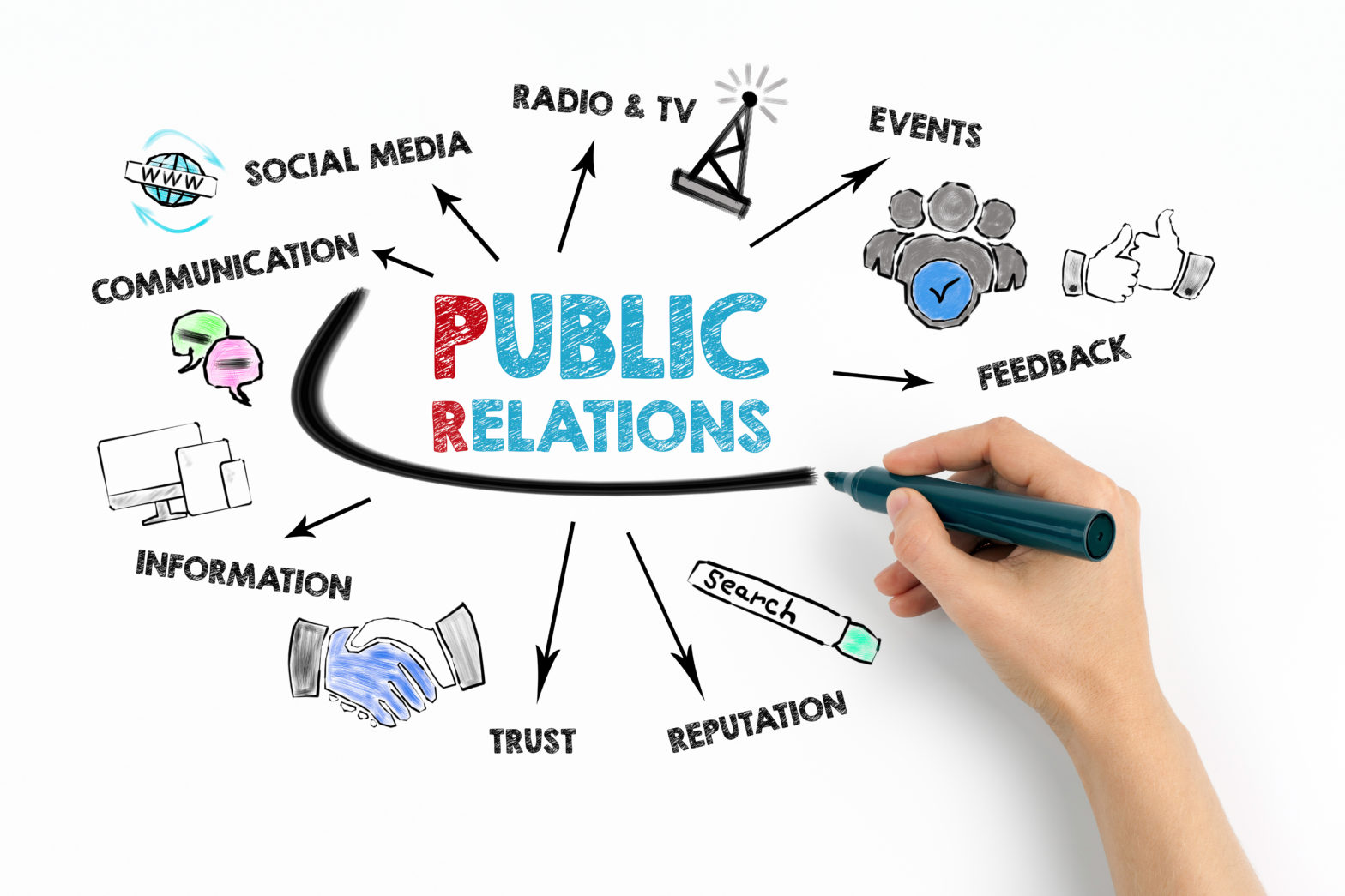
Public Relations and Search Engine Optimization have evolved from separate marketing disciplines into complementary strategies that amplify each other’s effectiveness. As Google’s algorithms have become more sophisticated, the intersection of PR and SEO has become critical for building sustainable online authority and rankings.

The Evolution from Black Hat to Brand Authority

The relationship between PR and SEO became essential after Google’s major algorithm updates fundamentally changed how search engines evaluate content quality and website authority.

The Black Hat Era and Its Downfall

In the early days of SEO, websites could manipulate search rankings through questionable tactics that provided no real value to users:

Common Black Hat Techniques:

  • Keyword stuffing – repeating target keywords unnaturally throughout content
  • Link buying – purchasing low-quality backlinks from link farms
  • Content scraping – copying content from other websites
  • Hidden text – embedding invisible keywords to manipulate rankings
  • Private blog networks – creating fake websites solely for link building

These tactics worked temporarily but provided poor user experiences. Google responded with algorithm updates designed to reward genuine authority and quality content.

Google’s Algorithm Evolution

Google’s major updates transformed SEO from a technical manipulation game into a content and authority-building discipline:

Google Panda (2011): Targeted low-quality content and content farms, rewarding original, high-quality content that demonstrates expertise.

Google Penguin (2012): Focused on link quality, penalizing websites with manipulative link-building practices and rewarding natural, authoritative backlinks.

Google Hummingbird (2013): Improved understanding of search intent, making content relevance and user satisfaction primary ranking factors.

According to Google’s Search Quality Evaluator Guidelines, modern search algorithms prioritize E-A-T: Expertise, Authoritativeness, and Trustworthiness. This is where strategic public relations becomes invaluable for SEO success.

Why Modern SEO Requires PR Thinking

Today’s SEO success depends on building genuine authority and trust signals that search engines can verify. This requires the relationship-building and credibility-focused approach that defines effective public relations.

The Authority Building Challenge

Search engines now evaluate websites based on signals that can’t be easily manipulated:

Domain Authority Factors:

  • Quality and relevance of linking domains
  • Brand mentions across authoritative publications
  • Social signals and engagement metrics
  • Content depth and expertise demonstration
  • User experience and satisfaction metrics

These factors require the strategic relationship building and content promotion that PR professionals excel at.

Content Amplification Through PR

Even exceptional content needs strategic promotion to reach its intended audience and earn the backlinks that signal authority to search engines. PR strategies amplify content reach through:

  • Media outreach to relevant journalists and publications
  • Industry relationship building for natural link opportunities
  • Thought leadership positioning that attracts linking opportunities
  • Strategic partnerships that create mutual content promotion

Strategic Integration: PR Tactics That Boost SEO

Effective PR and SEO integration requires specific tactics that build authority while improving search visibility.

1. Digital PR and Link Building

Modern link building resembles traditional PR more than technical SEO. Successful link acquisition requires:

Relationship-Based Outreach: Build genuine relationships with journalists, bloggers, and industry influencers before needing coverage. The Content Marketing Institute emphasizes that successful link building requires providing value to content creators rather than simply requesting links.

Newsworthy Content Creation: Develop content that naturally attracts media attention:

  • Original research and industry surveys
  • Expert commentary on trending topics
  • Unique data analysis and insights
  • Thought leadership on industry developments

Strategic Media Targeting: Identify publications that reach your target audience and have strong domain authority. Tools like Moz’s Domain Authority help evaluate the SEO value of potential linking opportunities.

2. Expert Positioning and Thought Leadership

Establishing subject matter expertise builds both PR credibility and SEO authority signals.

Industry Speaking and Events: Speaking at industry conferences and events creates content opportunities, networking possibilities, and often results in high-authority backlinks from event websites and attendee coverage.

Expert Commentary and Quotes: Responding to journalist queries through services like HARO (Help a Reporter Out) provides opportunities for high-authority backlinks while building industry relationships.

Guest Content and Collaboration: Contributing expert content to authoritative industry publications builds backlinks while demonstrating expertise to both search engines and potential customers.

3. Brand Mention Optimization

Not all valuable PR coverage includes direct links, but brand mentions still provide SEO value.

Unlinked Mention Conversion: Monitor brand mentions using tools like Google Alerts and reach out to convert unlinked mentions into linked citations.

Strategic Brand Building: Consistent brand mention patterns across authoritative sources signal brand legitimacy and authority to search engines, even without direct links.

Practical Implementation Strategies

Successful PR and SEO integration requires organizational coordination and strategic planning.

Building Cross-Department Collaboration

Leadership Involvement: Company executives often have the industry relationships and credibility that create the most valuable PR and link-building opportunities. Their participation in industry events, media interviews, and thought leadership content creates authority signals that benefit overall SEO efforts.

Sales Team Integration: Sales professionals frequently interact with clients, vendors, and industry partners who control high-authority websites. Training sales teams to identify and communicate link-building opportunities helps capture these valuable connections.

Content Team Coordination: PR and SEO teams should collaborate on content calendars to ensure newsworthy content receives proper promotion and technical optimization for search visibility.

Value-First Relationship Building

Successful PR-SEO integration requires providing genuine value to media contacts and industry partners rather than simply requesting coverage.

Industry Research and Data: Create original research that provides valuable insights to your industry. According to BuzzSumo’s research, content with original data receives significantly more shares and backlinks than promotional content.

Expert Analysis and Commentary: Develop the capability to provide timely, expert analysis on industry developments. This positions your organization as a go-to source for journalists and creates ongoing relationship-building opportunities.

Resource Development: Create genuinely useful resources like industry guides, templates, or tools that naturally attract links and mentions from other industry professionals.

Measuring PR Impact on SEO Performance

Tracking the SEO impact of PR efforts requires monitoring both traditional PR metrics and SEO-specific indicators.

Key Performance Indicators

Link Acquisition Metrics:

  • Number and quality of new backlinks from PR efforts
  • Domain authority of linking websites
  • Relevance of linking content to target keywords
  • Link placement and context quality

Authority Building Indicators:

  • Improvement in domain authority scores
  • Increase in branded search volume
  • Growth in unlinked brand mentions
  • Social media engagement and shares

Search Performance Impact:

  • Keyword ranking improvements following PR campaigns
  • Organic traffic increases from target content
  • Featured snippet acquisitions
  • Local search visibility improvements

Long-Term Authority Development

PR-driven SEO success requires patience and consistent effort. According to Search Engine Journal, authority building through legitimate PR and content marketing typically shows significant results over 6-12 month periods rather than immediate improvements.

Common Mistakes to Avoid

Understanding typical pitfalls helps organizations implement more effective PR-SEO integration.

Transactional Relationship Approach

The Problem: Reaching out to media contacts only when needing coverage creates one-sided relationships that rarely produce results.

The Solution: Consistently provide value to industry contacts through useful information, expert insights, and mutual promotion opportunities.

Focusing Only on High-Authority Targets

The Problem: Exclusively targeting major publications while ignoring relevant niche websites limits link-building opportunities.

The Solution: Build relationships across the authority spectrum, including industry blogs, local publications, and specialized websites that reach target audiences.

Neglecting Content Quality for Outreach Quantity

The Problem: Prioritizing outreach volume over content quality leads to poor response rates and weak authority signals.

The Solution: Focus on creating genuinely valuable content that naturally attracts media attention and linking opportunities.

Future Trends in PR-SEO Integration

The continued evolution of search algorithms and media consumption patterns will further integrate PR and SEO disciplines.

AI and Content Authority

As search engines become more sophisticated at evaluating content quality and authority, the relationship-building and credibility-focused aspects of PR become even more critical for SEO success.

Multi-Platform Authority Building

Modern authority building extends beyond traditional websites to include social media presence, podcast appearances, video content, and other digital platforms that search engines increasingly consider when evaluating overall brand authority.

Implementing Your PR-SEO Strategy

Successful integration of PR and SEO requires strategic planning, consistent execution, and patience for long-term results.

Start with Relationship Audit: Identify existing industry relationships across your organization that could create link-building and authority-building opportunities.

Develop Content Assets: Create genuinely valuable content resources that naturally attract media attention and linking opportunities.

Build Systematic Outreach: Establish consistent processes for media relationship building, expert positioning, and content promotion.

Monitor and Measure: Track both PR and SEO metrics to understand the compound impact of integrated efforts.

The modern digital landscape rewards organizations that build genuine authority through strategic relationship building and valuable content creation. By integrating PR thinking into SEO strategy, businesses can build sustainable competitive advantages that improve both search visibility and overall brand authority.

Public relations and SEO are no longer separate disciplines but complementary aspects of a comprehensive digital marketing strategy focused on building lasting authority and trust with both search engines and target audiences.